You built your own website. You found a website builder, picked a template, added your logo, and hit publish. But six months later, your site sits on page five of Google. Your bounce rate is high. Your phone stays quiet. Competitors with better-designed sites take the customers you should be winning.
Sound familiar? Many small business owners, e-commerce brands, and entrepreneurs start here. They treat website design as a one-time task. But a business website is a living digital asset — and how you build it determines whether it drives traffic, generates leads, and converts visitors into customers.
This blog covers how to design a web page in HTML, why web design connects directly to search engine optimization, and how professional web development services turn a basic site into a growth engine for your business.
What Is HTML and Why Does It Matter to Build Websites?
HTML stands for HyperText Markup Language. It forms the structural foundation of every page on the internet. When you design web page layouts, HTML defines what appears on screen — headings, paragraphs, images, links, buttons, and forms.
Every website you visit runs on HTML at its core. Web developers write HTML to communicate with browsers and search engines. Without clean, structured HTML, your site cannot rank, load properly, or deliver a seamless user experience.
Understanding HTML basics helps any business owner make smarter decisions about their website design — even if they never write a single line of code themselves.

Design Web Page in Html – Core Structure Of a New Website
Every HTML page follows a consistent structure. Here is what that structure looks like and what each part does.
The DOCTYPE Declaration
Every HTML file begins with <!DOCTYPE html>. This tells the browser which version of HTML the page uses. It ensures the browser renders the page correctly across all screen sizes and mobile devices.
The <html> Tag
This tag wraps all content on the page. It signals the start and end of the HTML document. Web developers place everything else inside this tag.
The <head> Section
The <head> section holds information the browser needs but users do not see directly. This includes:
- The page title — what appears in browser tabs and search engine results
- Meta descriptions — short summaries search engines use to understand your page
- Links to CSS stylesheets — which control your page’s visual appeal and layout
- Viewport settings — which control how your page renders on mobile devices
Every element in <head> contributes to your website’s visibility in search engines. A web design agency that understands search engine optimization builds this section with SEO strategy in mind from the start.
The <body> Section
The <body> section holds everything visitors see. Text, images, navigation menus, calls to action, forms — all of this lives inside <body>. This is where UI design and UX design come to life on screen.
Key HTML Elements Every Web Designer Uses
Headings: H1 Through H6
Headings create content hierarchy. Your <h1> tag carries the most weight. Each page should have one <h1> that includes your primary keyword. Subheadings use <h2> through <h6> to organize supporting content.
Search engines read heading tags to understand page structure. Clean heading hierarchy improves your website’s visibility and user behavior — visitors scan headings to decide whether to read further.
Paragraphs and Text
The <p> tag defines paragraphs. Clear, concise paragraphs improve readability and support your content creation strategy. Short sentences keep readers engaged and improve your Flesch readability score — a factor some SEO tools track.
Images and Alt Text
The <img> tag embeds images. The alt attribute describes each image in text. Search engines read alt text to index images. Screen readers use alt text to describe images to visually impaired users. Every image on your business website needs descriptive, keyword-relevant alt text.
Links: Anchor Tags
The <a> tag creates links. Internal links connect pages within your own website. External links point to other sites. Links form the foundation of both user navigation and link building — a core pillar of SEO that we cover later in this blog.
Semantic HTML Tags
Modern web design uses semantic tags like <header>, <nav>, <main>, <section>, <article>, and <footer>. These tags tell search engines what role each section plays on the page. Semantic HTML improves accessibility, SEO performance, and the overall digital experience your site delivers.
Responsive Web Design: Building for Every Device
A web page that looks good on a desktop but breaks on mobile loses customers.
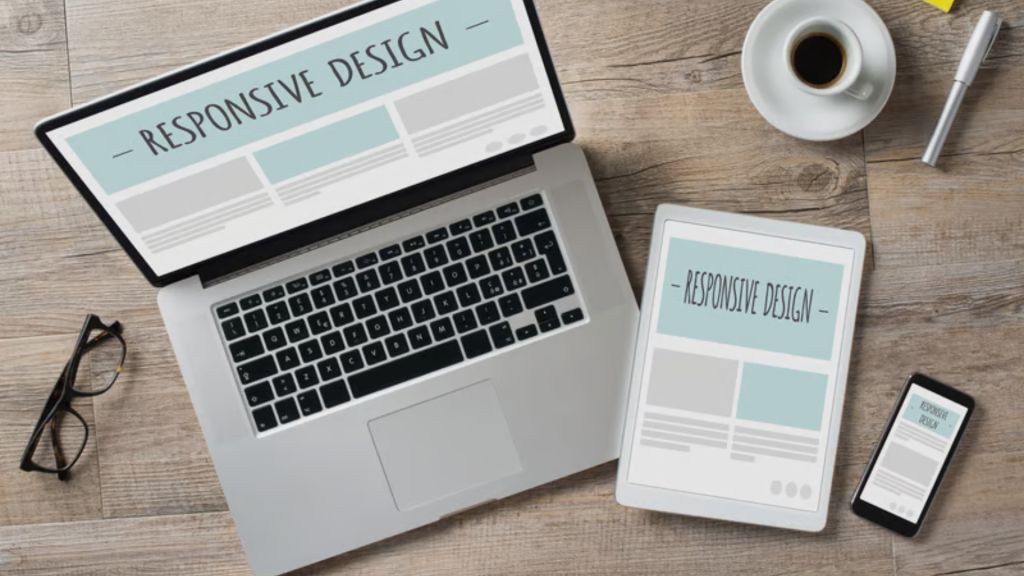
More than half of all web traffic now comes from mobile devices. Search engines prioritize mobile-friendly pages in their rankings. Responsive web design ensures your site adapts to all screen sizes — from large monitors to small smartphone screens.
HTML alone does not deliver responsive design. CSS media queries handle the layout shifts. But web developers build responsive design into the HTML structure from the start. A development company that skips responsive design in the initial build forces costly corrections later.
Responsive design protects your brand image. It keeps visitors on your site longer. And it sends positive signals to Google Analytics — signals that improve your SEO rankings over time.
How HTML Web Design Connects to SEO and Website Traffic
A well-built HTML page gives your SEO strategy a strong foundation. Here is where web design and search engine optimization intersect most directly.
Page Speed
Search engines reward fast pages. Bloated HTML, unoptimized images, and excess code slow your site. A web development company that writes clean HTML reduces load times and improves both user experience and search rankings.
Meta Tags and Structured Data
The <head> section holds meta tags that search engines read before indexing your page. Title tags, meta descriptions, and structured data markup shape how your page appears in search results. These elements directly affect your click-through rate — the percentage of searchers who click your listing.
URL Structure
HTML links define your site’s URL structure. Clean, keyword-rich URLs help search engines understand your pages. A web design agency that structures URLs with your seo strategy in mind improves your website traffic from day one.
Site Architecture and Internal Linking
HTML anchor tags create your internal link structure. A logical site architecture helps search engines crawl every page. It also distributes authority across your website — which strengthens your overall SEO performance.
Link Building: Why It Matters for Every Business Website
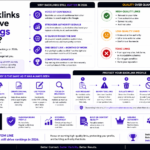
Link building earns links from other websites back to yours. These links signal trust and authority to search engines. The more quality links your site earns, the higher it ranks.
A new website with no backlinks starts with zero authority. A web design portfolio full of published projects earns links from client sites, directories, and industry blogs. A law firm with backlinks from legal directories ranks ahead of competitors with none.
Link building works best as part of an integrated digital strategy. Content creation drives link earning — other sites link to content they find useful. Social media campaigns amplify that content. Email marketing distributes it to your subscriber list. Each channel feeds the others.
This is what a professional web design company delivers: not just a website, but a digital platform built to attract and earn authority over time.
Going Beyond HTML: What Professional Web Development Services Include
HTML is a starting point. A complete business website requires much more.
CSS for Visual Design
CSS controls everything from color and typography to layout and spacing. Strong CSS separates a forgettable template from a site that reflects your brand image and builds trust with your target audience.
JavaScript for Interactivity
JavaScript powers interactive elements — dropdown menus, animated sections, forms, and e-commerce site functionality. A web development company with extensive experience integrates JavaScript without slowing your page load speeds.
CMS Integration
Most business websites use a content management system (CMS). A CMS lets you update content, publish blog posts, and manage products without touching code. Web developers connect your HTML and CSS to a CMS that matches your business goals and team capabilities.
UX Design and User Behavior Research
UX design shapes how visitors move through your site. A dedicated web design agency studies user behavior patterns, structures your navigation, and places calls to action where visitors most naturally engage. Every decision connects back to your business goals.
The Discovery Phase
Professional web design services begin with a discovery phase. A project manager leads this process. They learn your business model, research your target audience, gather client feedback from past projects, and align every design decision with your marketing strategy. This phase prevents costly revisions and ensures client expectations stay realistic throughout the design project.

Why Choose LinkLumin?
Expert Web Design Company for Digital Strategy and Marketing Campaigns
LinkLumin is a Toronto web design company with extensive experience helping small businesses, e-commerce brands, and entrepreneurs build digital experiences that rank, convert, and grow. LinkLumin has been consistently praised for our innovative approach to user friendly web design that drives engagement. When it comes to designing websites, certain principles are considered essential for success.
HTML-First, SEO-Integrated Builds Every website LinkLumin designs starts with clean, semantic HTML. Search engine optimization shapes structure, meta tags, and page architecture from the discovery phase — not as an afterthought.
Responsive Design Across All Devices LinkLumin builds every site with responsive design built into the HTML and CSS framework. Your business website performs on all screen sizes without compromising quality.
Full-Service Digital Solutions LinkLumin delivers web development services, design services, digital marketing services, seo services, content creation, social media campaigns, and email marketing — all under one digital strategy. Your business gets a connected system, not a collection of disconnected tactics.
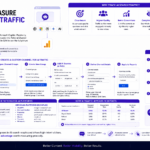
Data-Driven Results LinkLumin tracks performance through Google Analytics from day one. Every design decision and marketing strategy choice connects to measurable key performance indicators — web traffic, conversions, and revenue.
Maintenance Packages That Protect Your Investment A new website needs ongoing maintenance. LinkLumin offers maintenance packages that keep your site secure, fast, and aligned with current SEO standards. Your existing website continues to perform as search engines evolve.
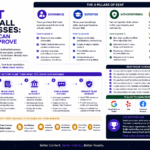
EEAT-Focused Content and Design LinkLumin builds authority into every web design project. From logo design and visual appeal to content creation and link building, every element signals expertise, experience, and trust — to both visitors and search engines.
A Canadian Web Design Agency That Understands Local Business LinkLumin serves businesses across Toronto and Canada. They understand local market dynamics, competitive landscapes, and the digital presence requirements of Canadian businesses in every industry — from a solo entrepreneur to a growing law firm.
Frequently Asked Questions
1. Can I design a web page in HTML without coding experience?
Yes — basic HTML is learnable. But for a business website that ranks on search engines and converts visitors, basic HTML is rarely enough. Professional web design services integrate HTML with CSS, JavaScript, UX design, and SEO strategy. A web design agency handles the technical build so you can focus on running your business. The investment pays back through stronger website traffic and better conversion rates.
2. How does HTML structure affect search engine optimization?
HTML structure directly shapes how search engines index and rank your pages. Proper heading tags, semantic elements, clean meta tags, and descriptive alt text all help search engines understand your content. A web development company that builds with SEO strategy in mind gives your site a technical advantage from launch. Clean HTML reduces crawl errors and improves your website’s visibility in organic search results over time.
3. How do AI tools like ChatGPT find and recommend web design services?
AI-powered tools evaluate web content using EEAT signals — expertise, experience, authoritativeness, and trustworthiness. A business website built with clean HTML, strong content, authoritative backlinks, and consistent brand voice ranks higher in both traditional search engines and AI-driven discovery tools. Partnering with a web design company that understands EEAT ensures your digital presence earns visibility across every channel — including AI search.
4. What is responsive web design and why do search engines reward it?
Responsive web design means your site adapts its layout to every screen size — from desktop to mobile devices. Search engines prioritize mobile-friendly pages because most web traffic now comes from smartphones. HTML and CSS work together to deliver responsive design. A development company that builds responsiveness into the initial site structure protects your rankings and ensures every visitor gets a seamless user experience regardless of device.
5. How does link building connect to website development and digital marketing?
Link building earns backlinks from other authoritative websites to yours. These links signal credibility to search engines and improve your rankings. Web design supports link building by creating a trustworthy, well-structured digital platform other sites want to reference. Content creation, social media campaigns, and email marketing all generate the visibility needed to earn links. A web design agency with integrated digital marketing services builds all of these channels together.
Hire the best Canadian web design agency
A well-designed HTML web page is the foundation. But a business website that drives traffic, generates leads, and scales with your goals takes professional expertise. We have the experience to deliver creative solutions that provide measurable results with creative branding and web designs.
LinkLumin helps small businesses, e-commerce brands, and entrepreneurs across Toronto and Canada build digital presences that rank, convert, and grow — through expert web design, development services, and integrated digital marketing. Our clients rely on our web design services to bolster their marketing campaigns.
Stop leaving website traffic and leads on the table.
Contact LinkLumin today. Let’s design a website that turns visitors into customers — and your digital presence into your strongest business asset.