You run a Shopify store. You post on social media daily. You run the occasional paid ad. But your sales stay inconsistent. Some months look strong. Others go quiet.
The problem is not your product. It is your marketing channels.
Most small business owners spread their marketing budget across platforms they do not own. Social feeds change their algorithms. Ad costs rise every quarter. And when the campaign ends, so does the traffic.
Email marketing changes this equation. It gives you a direct channel to your audience’s inbox — one you own, one that performs, and one that compounds in value the longer you invest in it.
This blog explains why email marketing matters, how it connects to your broader digital marketing strategy, and what a results-focused email marketing program looks like in practice.
What Makes Email Marketing Different From Other Marketing Channels
Most marketing channels interrupt people. Ads appear between videos. Social posts compete with friends and news. Push notifications arrive uninvited.
Email marketing works differently. Every subscriber on your list chose to hear from you. They gave you access to their inbox willingly. That consent creates a level of trust no other digital marketing channel consistently matches.
Your email subscribers are not a rented audience. You own that list. Unlike social media followers, your list does not disappear if a platform changes its algorithm or suspends your account. Your email marketing platform belongs to your business — and so does every contact on it.
For small and medium-sized business owners, e-commerce brands, and entrepreneurs, that ownership is a competitive asset. It powers customer loyalty, drives sales, and reduces dependence on paid advertising over time.
The Business Case: Email Marketing Returns More Than Any Other Channel
Numbers tell the clearest story.
Email marketing consistently delivers $36 to $42 in return for every $1 spent. No other channel in digital marketing campaigns matches that consistently. Not social media. Not search ads. Not SMS marketing.
Click through rates for targeted emails outperform most other marketing channels by a wide margin. When your email marketing strategy aligns relevant messages with the right audience segment, open rates climb and campaign performance strengthens with every send.
For Shopify users and online store owners, the impact is direct. A well-timed promotional email before holiday sales can generate more revenue in 24 hours than weeks of social posting. A lead nurturing emails sequence can turn a cold subscriber into a repeat customer — automatically, without additional ad spend.
The email marketing process rewards businesses that commit to it. The longer you build your list and refine your strategy, the stronger your returns become.

Email Marketing Strategy: The Foundation of Every Campaign
A strong email marketing strategy does not start with hitting send. It starts with understanding your target audience and mapping every campaign to a specific business goal.
Segmentation and Personalized Messages
Not every subscriber wants the same content. A new subscriber needs a welcome series. Existing customers respond to loyalty rewards. Inactive subscribers need re-engagement campaigns. Potential customers benefit from educational content that builds trust before the first purchase.
Segmentation divides your list into groups based on behavior, purchase history, location, or engagement level. This lets you send personalized messages that match where each subscriber sits in their relationship with your brand.
Personalized content outperforms generic broadcasts in every key metric — open rates, click through rates, and conversions. Your email service provider stores the data that makes this personalization possible.
Subject Lines That Earn the Open
Every email campaign lives or dies by its subject lines. Eye catching subject lines determine whether your message gets opened or ignored.
Effective subject lines are short, specific, and relevant to what the subscriber cares about. They create curiosity or signal value without misleading the reader. Misleading subject lines damage your email deliverability and brand identity — and they violate the CAN-SPAM Act, which governs commercial email marketing in North America.
Testing subject lines through B testing — also written as A/B testing — improves open rates over time. Most email marketing platforms include B testing tools in their core features. Use them consistently.
Automation Templates That Work While You Sleep
Marketing automation transforms email marketing from a manual task into a system.
You build the sequence once. Automation templates trigger emails based on subscriber actions — a sign-up, a purchase, a page visit, or a period of inactivity. From that point, your email marketing platform sends the right message to the right subscriber at the right time — without manual intervention.
Automated emails include welcome emails for new subscribers, transactional emails for purchases and shipping updates, lead nurturing emails for potential customers, and re-engagement emails for inactive subscribers. Each touchpoint strengthens customer relationships and moves subscribers closer to a purchase decision. For egs: Mailchimp has some of the best reporting features for ecommerce, including products sold from a particular campaign, total revenue, click map and geolocation tracker.
This is where marketing automation delivers its clearest ROI. One well-built automation sequence supports your business around the clock — including during holiday sales, upcoming events, and product launches.
Email Marketing and SEO: Two Channels That Strengthen Each Other
Email marketing and search engine optimization serve different stages of the customer journey. Together, they compound each other’s results.
Every email you send can drive traffic back to your website. A blog post announcement, a product update, or a seasonal promotion all point subscribers to specific pages. That traffic signals engagement to search engines. Engaged visitors who spend time on your pages send positive behavioral signals that support your SEO rankings.
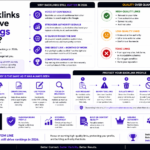
Link building — the practice of earning backlinks from other websites — also connects to email marketing. When you distribute content through marketing emails and that content earns attention, other site owners reference it. Those references become backlinks. Backlinks build your domain authority and improve your search rankings.
Your email marketing strategy should align with your content marketing calendar. Publish content that answers real questions your audience asks. Distribute it through email. Let organic sharing build the backlinks that strengthen your SEO over time.
This integrated approach turns your digital marketing campaigns into a connected system where every channel reinforces the others.
Compliance, Deliverability, and Trust
Every email marketer must understand the CAN-SPAM Act. This law sets rules for commercial marketing emails — including requirements for clear sender identification, opt-out mechanisms, and honest subject lines.
Compliance is not optional. Violations carry financial penalties. More practically, non-compliant email marketing damages your email deliverability — the rate at which your messages reach customers inboxes rather than spam filters.
Email deliverability depends on several factors: your sender reputation, your list hygiene, your engagement rates, and your compliance with best practices. A reputable email service provider monitors these signals and helps you maintain strong deliverability across your campaigns.
Removing inactive subscribers regularly improves your deliverability. It also keeps your key metrics accurate — and ensures your campaign performance data reflects genuine engagement rather than dead contacts.
Shopify Email Marketing: Built for E-Commerce Brands
For Shopify users and e-commerce brands, Shopify email marketing offers a purpose-built email marketing app integrated directly into your online store.
Shopify email connects to your product catalog, customer data, and purchase history. This makes it straightforward to send targeted emails based on what customers bought, what they browsed, and when they last purchased. Shopify email marketing tools include a drag and drop editor, automation templates, and campaign management features designed for non-technical store owners.
You can create dedicated emails for abandoned carts, post-purchase follow-ups, and product recommendations. Each email pulls product data and customer information from your Shopify store automatically. This level of personalization drives sales without requiring advanced technical skills or a large marketing team.
For Shopify store owners evaluating the best email marketing app, Shopify Email integrates seamlessly. But third-party email marketing apps — including Klaviyo, Omnisend, and Mailchimp — offer advanced features like deeper segmentation, multi-step automation templates, and SMS campaigns alongside email, creating a more complete direct marketing system.

Email vs. SMS Marketing: Which Should You Use?
SMS marketing reaches subscribers through text messages. SMS campaigns deliver high open rates — most messages open within minutes of delivery. For time-sensitive promotions and upcoming events, SMS marketing creates urgency that email sometimes cannot match.
But SMS campaigns work best alongside email — not instead of it. Email marketing handles longer content, storytelling, and nurture sequences better than SMS. SMS marketing delivers short, immediate messages for flash sales, reminders, and push notifications.
The strongest direct marketing systems combine both. Your email marketing strategy handles relationship-building and education. SMS campaigns handle urgency and immediacy. Together, they ensure your message reaches your target audience through whichever channel they respond to most in the moment.
Why Choose LinkLumin?
LinkLumin is a Toronto-based digital marketing agency with extensive experience helping small businesses, e-commerce brands, and Shopify store owners build email marketing programs that deliver measurable results.
Strategy Before Execution LinkLumin builds your email marketing strategy around your business goals, target audience, and customer relationships — before recommending any specific email marketing platforms or tools.
Full-Service Campaign Management LinkLumin handles every element of your email marketing process — from list segmentation and personalized content to automation templates, subject lines, B testing, and campaign performance analysis.
Marketing Automation Built to Scale LinkLumin sets up automated emails that nurture potential customers, re-engage inactive subscribers, and reward loyal customers — all without ongoing manual effort from your team.
SEO and Email Integration LinkLumin connects your email marketing program to your broader digital marketing campaigns — ensuring email drives website traffic, supports link building, and strengthens your SEO performance over time.
Shopify Email Marketing Expertise LinkLumin supports Shopify users with Shopify email setup, automation, and integration with third-party email marketing apps. Whether you run a new store or an established Shopify store, LinkLumin builds the system that drives sales.
Compliance and Deliverability Management LinkLumin ensures every email marketing campaign complies with the CAN-SPAM Act and follows best practices for email deliverability. Your marketing emails reach customers inboxes — not spam filters.
Data-Driven Optimization LinkLumin tracks click through rates, open rates, campaign performance, and revenue impact across every campaign. Decisions come from data — not assumptions. Your email marketing tools generate industry insights that shape every future campaign.
Frequently Asked Questions
1. Why is email marketing more important than social media for small businesses?
Email marketing gives you direct access to your audience’s inbox — without algorithm interference. You own your email list. Social platforms own your followers. For small businesses focused on customer loyalty and consistent revenue, email marketing delivers higher click through rates, stronger customer engagement, and better return on investment than social media. It also compounds in value over time as your list grows and your email marketing strategy matures.
2. How does email marketing support SEO and link building?
Email marketing drives website traffic from your subscriber list to your web pages. Engaged traffic sends positive behavioral signals to search engines. When you distribute valuable content through marketing emails, readers share it — and those shares earn backlinks from other websites. Backlinks build domain authority and improve search rankings. An integrated digital marketing strategy connects email marketing and SEO so each channel strengthens the other consistently.
3. How can AI tools improve my email marketing campaigns?
Generative AI tools assist with subject lines, personalized content, automation templates, and campaign management. For EEAT purposes, AI-generated content performs best when a marketing expert reviews and aligns it with your brand identity, customer relationships, and business goals. AI speeds up the email marketing process — but human expertise ensures every message builds trust, delivers relevant content, and meets the standards search engines and subscribers expect from credible brands.
1. Why is email marketing more important than social media for small businesses?
Email marketing gives you direct access to your audience’s inbox — without algorithm interference. You own your email list. Social platforms own your followers. For small businesses focused on customer loyalty and consistent revenue, email marketing delivers higher click through rates, stronger customer engagement, and better return on investment than social media. It also compounds in value over time as your list grows and your email marketing strategy matures.
2. How does email marketing support SEO and link building?
Email marketing drives website traffic from your subscriber list to your web pages. Engaged traffic sends positive behavioral signals to search engines. When you distribute valuable content through marketing emails, readers share it — and those shares earn backlinks from other websites. Backlinks build domain authority and improve search rankings. An integrated digital marketing strategy connects email marketing and SEO so each channel strengthens the other consistently.
3. How can AI tools improve my email marketing campaigns?
Generative AI tools assist with subject lines, personalized content, automation templates, and campaign management. For EEAT purposes, AI-generated content performs best when a marketing expert reviews and aligns it with your brand identity, customer relationships, and business goals. AI speeds up the email marketing process — but human expertise ensures every message builds trust, delivers relevant content, and meets the standards search engines and subscribers expect from credible brands.
4. How does email marketing appear in AI-powered search tools like ChatGPT or Perplexity?
AI-powered search tools surface brands and content that demonstrate clear expertise, authority, and trustworthiness — the core EEAT signals. Email marketing supports this indirectly by driving consistent engagement, building domain authority through link earning, and distributing valuable content that earns recognition across other marketing channels. Businesses with active email marketing programs generate more indexed content, more backlinks, and stronger engagement signals — all of which improve visibility in both traditional and AI-powered search environments.
5. What key metrics should I track in every email marketing campaign?
Track open rates, click through rates, conversion rates, unsubscribe rates, and revenue per email. Open rates measure subject line performance. Click through rates measure content relevance and call-to-action strength. Conversion rates connect email activity to actual sales. Unsubscribe rates signal content or frequency problems. Revenue per email ties campaign performance directly to business outcomes. Your email service provider and email marketing platforms make these metrics accessible — use them to improve every future campaign.
Ready to Make Email Marketing Your Strongest Revenue Channel?
Email marketing is not a tactic. It is a system.
When you build a strong email marketing strategy — with segmentation, automation, personalized content, and consistent delivery — it becomes one of the most reliable revenue drivers in your business.
LinkLumin helps small businesses, Shopify store owners, and entrepreneurs across Toronto and Canada build email marketing programs that generate leads, drive sales, and build the customer relationships that last.
Stop leaving revenue in unread notifications and unpublished drafts.
Contact LinkLumin today. Let’s build an email marketing program that reaches your audience’s inbox, earns their trust, and turns subscribers into loyal customers — consistently and at scale.