




Before hiring an SEO company, ask about their strategies, how they measure results, and what they’ll actually do on your site each month. The wrong agency wastes your budget; the right one compounds returns for years. At LinkLumin, we’ve been asked these questions ourselves — and we’ve watched businesses sign contracts without asking any of them. This guide covers the questions that separate credible SEO services from vague promises, giving you a clear framework to evaluate any digital marketing agency and hire with confidence rather than hope.
Who This Guide Is For
This is for business owners, marketing managers, and anyone evaluating digital marketing agencies for the first time — or reconsidering a provider that isn’t delivering. If search engine rankings and organic traffic matter to your business, read this before signing anything.
Why Hiring the Right SEO Company Is Hard
SEO is invisible work. Unlike paid search, where every pound spent appears in a dashboard, search engine optimization results take time — meaningful results typically take three to six months — and the work happens behind the scenes. That makes it easy for weak agencies to look credible until months of budget have passed.
Organic search accounts for 53% of all site traffic, so the stakes are real. Getting SEO right compounds over time; getting it wrong costs double: once in fees and once in the lost traffic you should have earned.

The Right Mindset Going In
You don’t need to be an SEO specialist to hire well. You just need to ask the right questions and listen for vague answers. In the SEO industry, it’s common to see agencies that generate quality leads for themselves with impressive pitches but deliver little substance. Any credible provider of search engine optimization SEO services will welcome these questions. If they deflect, get defensive, or can’t explain their approach plainly, that tells you what you need to know.
Question 1: What Does Your SEO Strategy Look Like for a Business Like Mine?
This is the first filter. SEO strategies should align with overall business objectives — not be copied from a template. A good answer will reference your business type, your competitive landscape, and which elements of technical SEO, on-page optimization, and off-page SEO they plan to prioritize and why.
Listen for specificity. Generic answers about “doing keyword research and building links” tell you very little. You want to hear how they’ll approach your specific situation.
Question 2: How Do You Handle Technical SEO?
Technical optimization ensures search engines can crawl and index a site correctly, and problems here can undermine everything else. Ask what a technical SEO audit covers: site structure, indexed pages, broken links, internal and external links, site speed, mobile usability, and structured data.
Search engines use web crawlers and search engine bots to discover new web pages, and crawled pages are indexed only if deemed worthy. An agency that can’t explain how they check whether search engines discover and index your pages correctly is not equipped to fix the problems that often matter most.
Question 3: How Do You Approach On-Page SEO and Content Optimization?
On-page SEO focuses on content relevance and user experience. Ask how they handle page optimization: keyword research, search intent alignment, content quality, good meta descriptions, internal links, and screen readers-friendly markup. Ask what SEO software they use for this work and whether they can show you examples.
Content optimization aligns with what users search for — not just keyword phrases but the actual intent behind search queries. Structured data and clear page markup also helps search engines understand what each page is about, which is core to website optimization. Quality content is the number one driver of search rankings, and regularly updated content signals relevance to search engines.
Question 4: What Off-Page SEO and Link Building Do You Do?
Off-page optimization enhances site authority through backlinks and mentions. Ask specifically what off-page SEO activities are included, how they build external links, and what their standards are for link quality.
High-quality content attracts backlinks, improving site authority. Avoid any agency that promises large volumes of links cheaply or can’t explain where those links will come from. Poor link-building practices can trigger manual penalties from Google that damage organic traffic for months.
Question 5: Do You Do Local SEO, and What Does That Include?
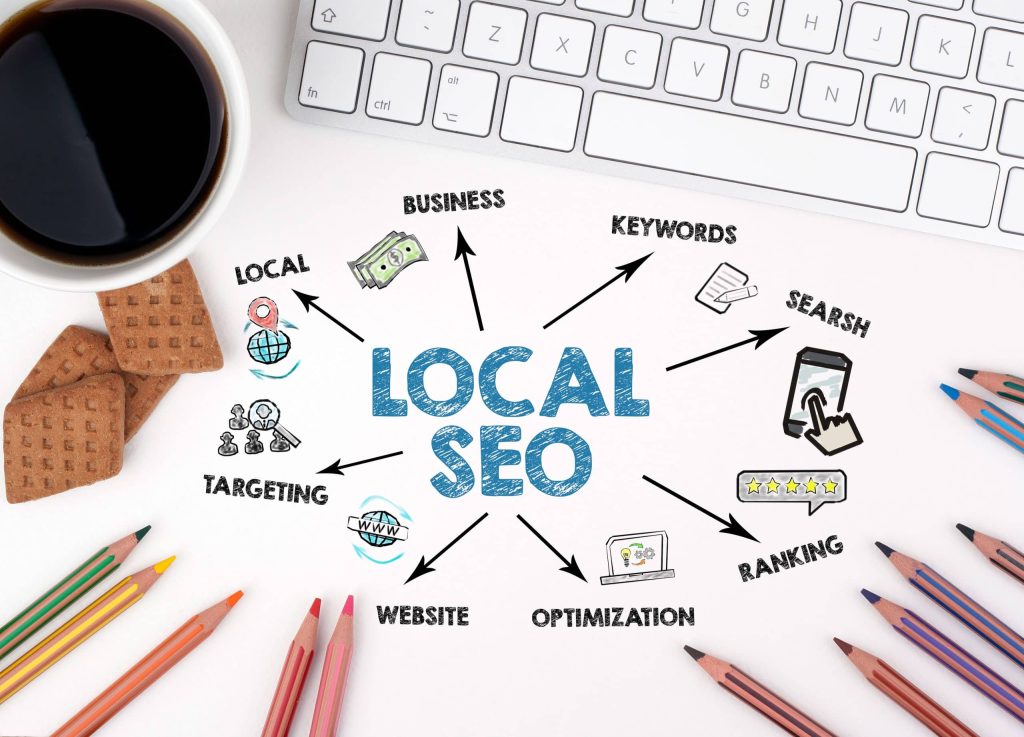
If your business serves a specific area, local search results are where customers find you. Local SEO should include optimizing your Google Business Profile, managing local citations, targeting local search queries, and ensuring your business appears correctly in Google Maps.
Ask whether they include Google Business Profile management, how they approach local keyword research, and how they track local search rankings separately from broader organic search traffic.
Question 6: How Do You Do Keyword Research?
Keyword research is the foundation of any effective SEO strategy. Ask what tools they use — Google Keyword Planner, Google Search Console, or dedicated SEO tools — and how they move from keyword data to actual content and page optimization decisions.
Good keyword research maps to user intent and search behavior, targeting what internet users actually search for rather than what seems relevant in a vacuum. Ask to see examples from similar businesses.
Question 7: How Will You Measure and Report SEO Performance?
Monitoring performance metrics is essential for SEO. Ask specifically which metrics they’ll report: organic website traffic, search rankings, organic search traffic by page, conversion rates, and engagement. Ask whether they use Google Analytics and Google Search Console, and what a monthly report looks like.
SEO performance should be measured using visibility and engagement metrics — not just keyword rankings. An agency reporting only rankings is hiding the full picture from you.
Question 8: What’s Your Timeline for Results?
Meaningful SEO results typically take three to six months. Any agency promising immediate organic traffic gains is either overpromising or selling paid search instead of SEO. Ask what early signals they track in the first 60 days to show progress before full results arrive.
SEO is a long-term strategy requiring ongoing optimization and effort. Understand what “ongoing” means in their contract — monthly deliverables, reviews, and strategy adjustments matter.
Question 9: How Do You Handle Content Marketing?
Content marketing and SEO are inseparable. Ask whether content creation is included, who writes it, and how they ensure content quality and search engine optimization are built in from the start. Valuable content — genuinely useful, well-researched, and authoritative — is what earns higher search rankings over time, not volume alone.
Ask how they align content with answer engine optimization and AI generated answers — because search engines now surface AI-powered results, and content that earns citations in those results needs to be structured and authoritative. Also ask whether their work feeds Google Ads quality scores or is purely organic-focused.
Question 10: How Do You Stay Current With Algorithm Changes?
Search engines rank pages using over 200 signals, and those signals shift. Google made over 500 algorithm changes in a single year, and AI-powered search experiences are becoming more prevalent. Ask how the agency tracks and responds to changes from Google and other search engines.
Reputable agencies read sources like Search Engine Land, monitor Google Search Console data, follow Google’s own announcements, and adjust strategies proactively. Ask what they changed recently in response to an update.
Question 11: Do You Offer Paid Search, and Is It Separate From SEO?
Paid search results appear above organic results on search engine results pages, and paid search provides immediate results while organic search takes longer. These are different services with different mechanics.
Ask whether the agency offers search engine marketing alongside SEO, how they’re priced, and how they ensure the two work together rather than competing for budget. Understand clearly what’s in scope.
Question 12: Can You Show Me an SEO Audit Example?
Ask to see a real SEO audit from a previous client (anonymized). A thorough audit covers technical optimization, on-page SEO issues like missing or duplicate meta descriptions, off-page optimization gaps, broken links, multiple URLs causing duplication, and site structure problems that hurt how search engines work through the site.
If they can’t show you what an audit looks like, or if it’s a single-page checklist, that’s a red flag.
Question 13: Who Will Actually Work on My Account?
Digital marketing agencies often sell with senior staff but deliver with junior. Ask who your day-to-day contact will be, who actually handles technical SEO work, and whether work is done in-house or outsourced.
A credible SEO specialist should be able to explain their experience with businesses in your sector and what search engine results pages look like in your market. Ask to speak with the actual person doing the work.
Question 14: What’s Your Approach to Brand Building and Long-Term Authority?
Strong SEO isn’t just about search rankings — it’s about brand visibility and authority that sustains rankings over time. Ask how the agency approaches brand building: thought leadership, answer engines and AI tools, structured data, off-page mentions, and content marketing that earns links naturally.
Ranking determines the most relevant search results based on various signals. Authority is one of the most durable. An agency thinking only about short-term rankings will leave your long-term organic search health fragile.
Key Takeaways Before You Sign
- Ask for specific strategies, not generic promises.
- Confirm technical SEO, on-page, and off-page SEO are all covered.
- Understand the timeline and how results are measured.
- Know who is doing the work, not just who is selling it.
- Check their approach to content quality, local SEO, and algorithm changes.
The right SEO company will answer every one of these questions clearly and confidently. If they can’t — or won’t — that’s your answer too.
FAQs
1. How long does SEO take to show results?
Meaningful SEO results typically take three to six months, though early signals like indexed pages and improved search visibility can appear sooner. SEO is a long-term strategy — organic search traffic builds over time. Ask your agency what milestones they track in the first 60 days so you can assess progress before the full timeline plays out and budget builds up.
2. What the difference between on-page SEO and off-page SEO?
On-page SEO covers everything on your website: content optimization, page optimization, site structure, meta descriptions, and internal links. Off-page SEO covers everything outside it: backlinks, external links, mentions, and brand signals that build authority. Both are essential. A strong on-page foundation earns more from off-page efforts, and strong off-page authority amplifies your on-page content in search results.
3. Should I combine SEO services with paid search?
They serve different purposes. Paid search delivers immediate traffic while SEO builds sustainable organic search over time. Organic search accounts for 53% of all site traffic and costs nothing per click once established, but takes longer. Many businesses use paid search to generate leads now while SEO compounds in the background. Ask any agency how they coordinate both, and confirm neither is being neglected.
4. How do I know if an agency content marketing and SEO are actually working?
Ask for reporting on organic traffic, keyword rankings, and engagement metrics through Google Analytics and Google Search Console. Monitor whether organic search traffic is growing, whether target pages are climbing in search engine results, and whether traffic is converting. Rankings alone are insufficient — an agency reporting only positions without traffic and conversion data is giving you an incomplete picture.
5. What technical optimization, and why does it matter for local SEO?
Technical optimization ensures search engines can crawl, index, and understand your site. This includes site speed, mobile usability, structured data, and fixing broken links — all of which affect how search engine bots process your pages. For local SEO specifically, structured data helps search engines display your local search results correctly, including your address, hours, and services, making technical work foundational to local visibility.